
Back pain is one of the most common health concerns worldwide and can affect people of all ages. While many people describe it simply as “back pain,” the underlying causes can vary significantly. Understanding where pain originates—whether from discs, bones, nerves, or muscles—can help guide appropriate evaluation and care.
The Spine: A Complex System
The spine is a structured system made up of vertebrae (bones), intervertebral discs, nerves, muscles, and ligaments. These components work together to provide stability, flexibility, and protection for the spinal cord. NIH
When one or more of these structures becomes irritated or injured, pain can occur.
1. Disc-Related Pain
Oklahoma Pain Treatment Centers
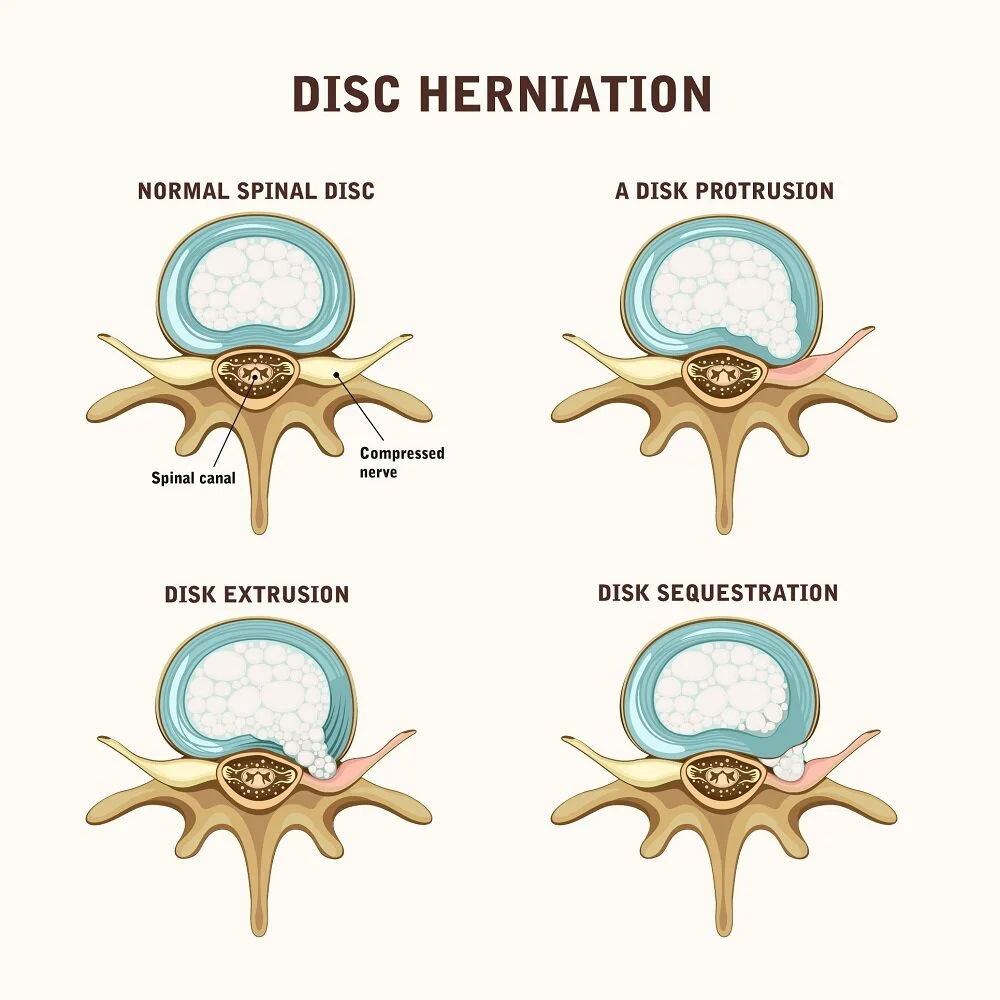
Intervertebral discs act as cushions between the bones of the spine. They help absorb shock and allow movement.
Common disc-related conditions include:
- Disc degeneration: Age-related changes that reduce disc hydration and flexibility
- Disc bulge or herniation: When part of the disc extends outward and may irritate nearby structures
Disc-related pain is often described as deep, aching, or pressure-like. If a disc affects a nearby nerve, symptoms may include pain that travels into the arms or legs.
Learn more about one treatment option for disc related pain here: Non-Surgical Spinal Decompression
2. Bone and Joint Pain
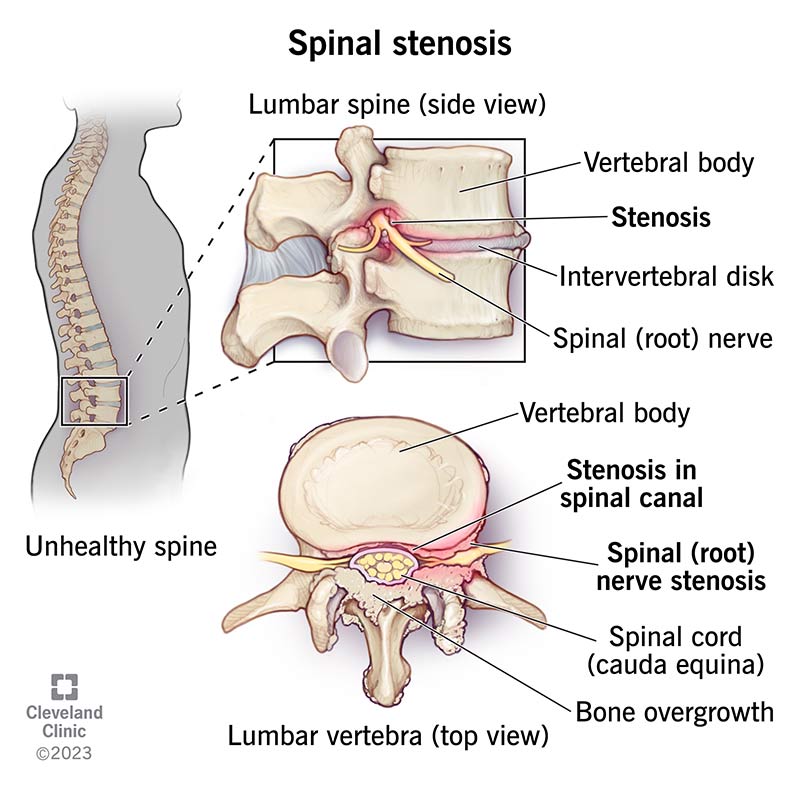
The bones of the spine (vertebrae) and their joints—called facet joints—provide structural support and controlled movement.
Common bone-related sources include:
- Facet joint arthritis: Wear-and-tear changes in spinal joints
- Spinal stenosis: Narrowing of the spinal canal that may affect surrounding structures
- Spondylolisthesis: A condition where one vertebra shifts relative to another
Pain from bone or joint issues is often localized and may worsen with certain movements such as bending or twisting.
3. Nerve-Related Pain
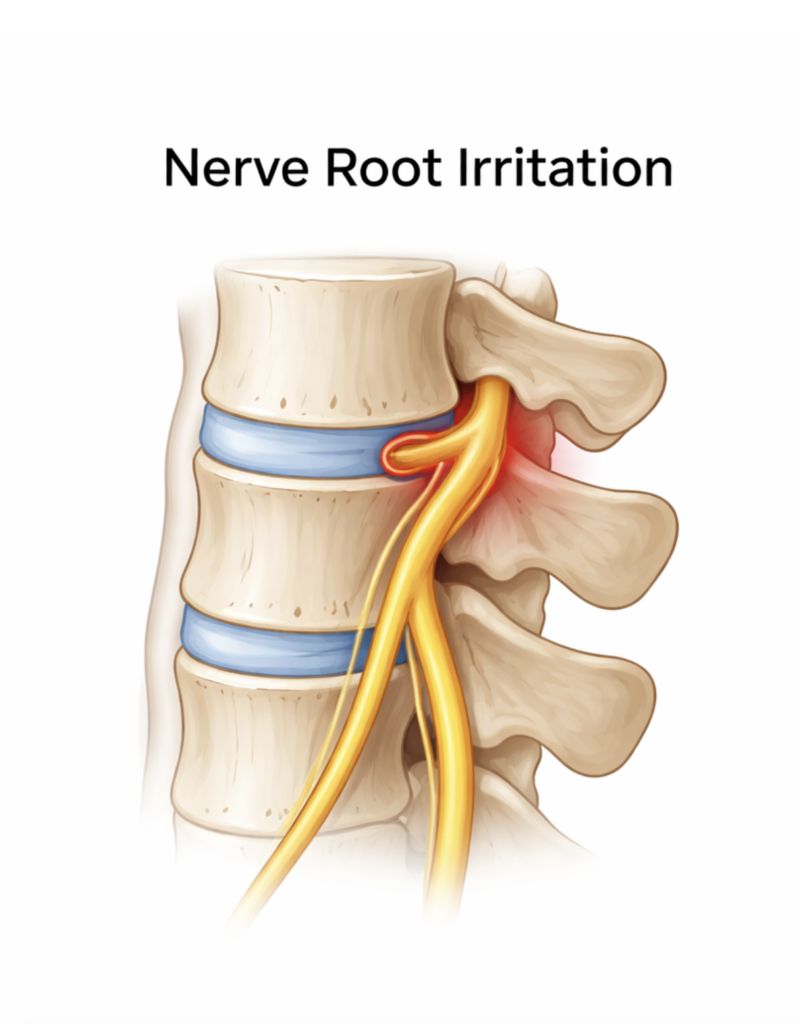
Spinal nerves exit the spine and travel throughout the body. When these nerves become irritated or compressed, it can lead to distinct symptoms.
Examples include:
- Radiculopathy (commonly called sciatica): Pain radiating down the leg or arm
- Nerve compression: Caused by discs, bone spurs, or inflammation
Nerve-related pain is often described as sharp, burning, tingling, or electric. It may also be associated with numbness or weakness.
4. Muscle and Soft Tissue Pain
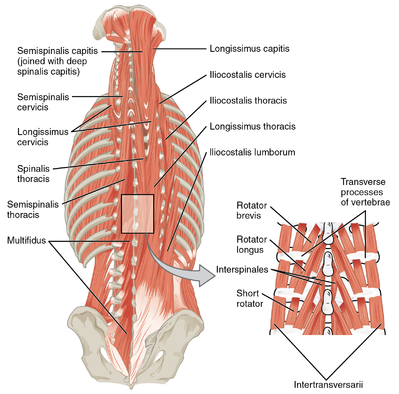
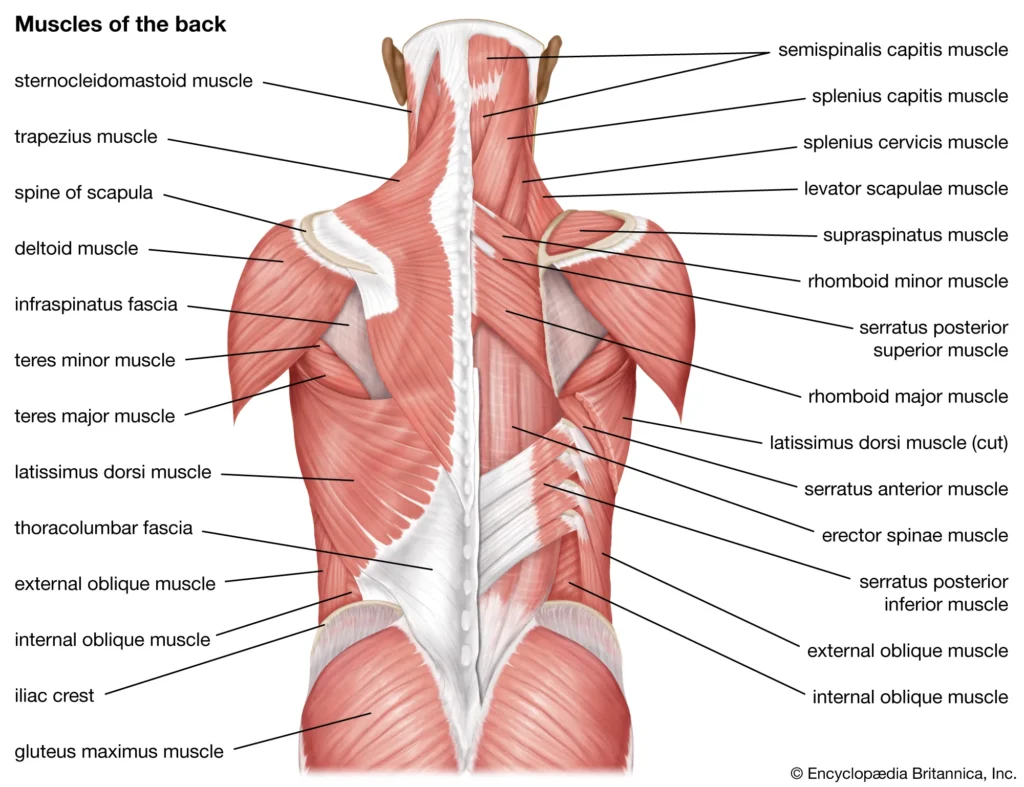
Muscles and ligaments support the spine and allow movement. These tissues are commonly involved in back pain.
Common causes include:
- Muscle strain: Often related to lifting, overuse, or sudden movement
- Postural stress: Prolonged sitting or poor ergonomics
- Muscle imbalances: Weakness or tightness affecting movement patterns
Muscle-related pain is typically sore, tight, or stiff and may improve with rest and gradual movement.
Why Identifying the Source Matters
Back pain is not a single diagnosis—it is a symptom with multiple possible causes. In many cases, more than one structure may be involved at the same time.
A thorough evaluation by a qualified healthcare professional can help determine:
- Which structures are contributing to symptoms
- Whether imaging or further testing is appropriate
- What conservative or medical options may be suitable
When to Seek Medical Evaluation
While many episodes of back pain improve over time, medical evaluation may be appropriate if you experience:
- Pain that persists or worsens over several weeks
- Symptoms traveling into the arms or legs
- Numbness, tingling, or weakness
- Difficulty performing daily activities
A Balanced Approach to Back Pain
Management of back pain depends on the underlying cause and individual factors. Options may include activity modification, physical therapy, hands-on care, or other physician-directed treatments when appropriate.
The goal of care is typically to improve function, reduce discomfort, and support long-term spine health.
The Lancet
American College of Physicians
Final Thoughts
Understanding the different sources of back pain—disc, bone, nerve, and muscle—can help clarify why symptoms feel the way they do. Because the spine is a connected system, addressing back pain often requires a comprehensive approach that considers structure, movement, and overall health.
Learn more about 5 non-invasive ways to treat back pain: Here
Written by: Charles Bingham, DO
Reviewed by: Samantha Bingham, DO
Ascent Healthcare